
Understanding the Importance of Joint Compound in Construction Projects
Joint compound plays a vital role in construction. It ensures smooth and seamless finishes on walls and ceilings. This compound is often used to cover joints between sheets of drywall. Its primary purpose is to create an even surface, ready for painting or finishing. Proper application significantly affects the visual appeal and durability of the final product. Understanding its importance helps in achieving the best results in any project.
Benefits of Using Quality Joint Compound
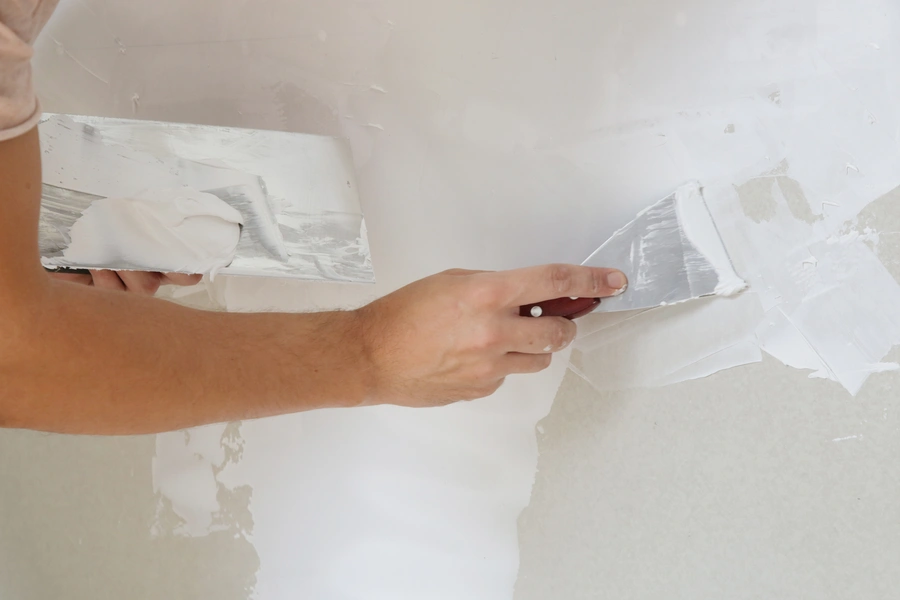
Using high-quality joint compound can bring several benefits. Firstly, it leads to a smoother finish, enhancing the overall appearance of interiors. Secondly, it adds strength to the seams, reducing the risk of cracking over time. Lastly, quality compounds are easier to apply and sand, saving both time and effort during projects.
Challenges Faced in Wall Finishing
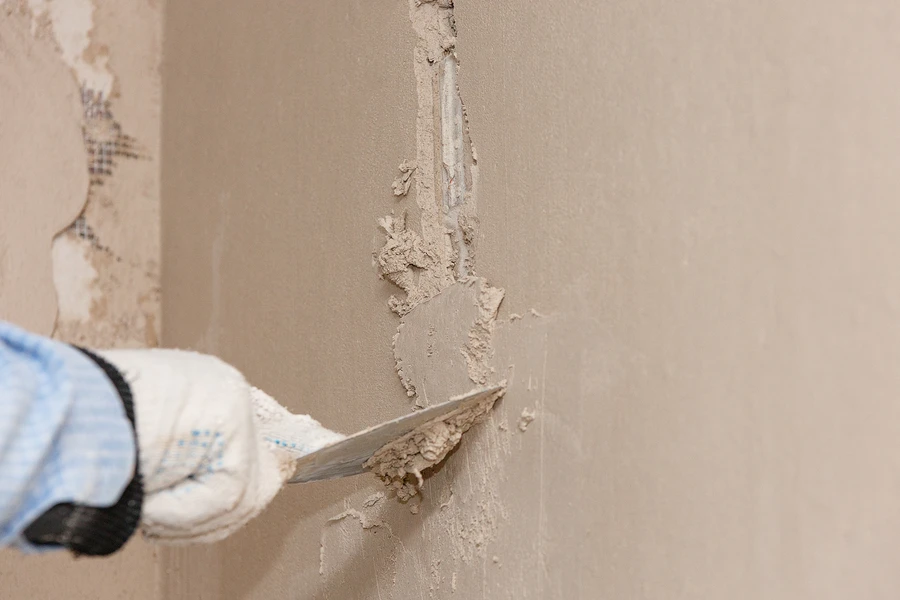
There are common challenges when working with wall finishes. One major issue is improper mixing of joint compound, which can cause lumps or inconsistent texture. Additionally, using the wrong type of compound for specific jobs may lead to poor adhesion or increased drying time. Finally, inadequate taping techniques can result in visible seams that affect the project’s aesthetic.
Solutions for Achieving Seamless Results
A successful approach requires attention to detail and proper technique. Always start by choosing the right type of joint compound for your project. For optimal results, follow these steps:
- Prepare the surfaces by cleaning and smoothing them.
- Mix the joint compound thoroughly to achieve a consistent texture.
- Apply thin coats, allowing each layer to dry completely before adding another.
- Sand each coat gently for a smooth finish.
This method ensures professional-looking outcomes and reduces common issues associated with drywall taping.
Tips for Professional Application
Implementing industry best practices can enhance the outcome of your work. To ensure success:
- Use tools like trowels and knives suitable for the job size.
- Maintain a steady hand while applying the compound.
- Avoid applying too much pressure during sanding to prevent uneven surfaces.
- Ensure proper ventilation in the workspace for quicker drying times.
These tips will help you deliver impressive results consistently.
Industry Standards for Joint Compound Use
Adhering to industry standards guarantees quality and safety in construction projects. In the U.S., following OSHA regulations is crucial for workplace safety. Moreover, ASTM guidelines specify testing methods for joint compounds to ensure they meet performance requirements. Compliance with these standards protects both workers and end-users from potential hazards.
Cost Considerations When Choosing Joint Compounds
Selecting the right joint compound involves weighing cost against quality. While cheaper options may seem attractive, they can lead to more expenses down the line due to repairs or rework. Investing in quality products often translates into better longevity and fewer maintenance needs. Consider long-term savings over initial costs for efficient budgeting.
Your Pathway to Smooth Surfaces
The appropriate use of joint compound is essential for successful wall finishes. Our team at Solorio Drywall LLC has extensive experience in delivering top-notch results in Reno, NV. We ensure every project meets high standards of precision and quality. Call us at (775) 200-9599 for expert advice and service tailored to your needs.